
Health & TestingThe guide
Mineral Balancing & HTMA: A Guide for Adults & Children
A food-first guide to the minerals the body relies on, for adults and children.
Mineral balancing looks at how the body adapts under sustained pressure.
Mineral balancing is a gentle, food-first way of looking after the minerals the body relies on every day. This guide explains what it is, the minerals involved, the everyday habits it rests on, who it may suit, and where a hair test fits in.
Key Takeaways
Mineral balancing is about food, rest, routine and stress, not a quick fix or a supplement plan.
Six minerals do much of the everyday work: calcium, magnesium, sodium, potassium, zinc and copper.
It is a slow, steady approach, measured in months rather than days.
A Hair Tissue Mineral Analysis (HTMA) kit is optional. You do not need one to begin.
Mineral balancing is not medical care. For any health concern, speak to your GP first.

What is mineral balancing?
Mineral balancing looks at how the body adapts under sustained pressure.
Minerals influence energy production, stress tolerance, hormone signalling, digestion, mood, immune response, and nervous system regulation. When life is demanding for a long time, through work, sleepless nights, pregnancy or illness, the body often copes rather than restores.
Mineral balancing is the slow work of giving it what it needs to do more than cope: nourishing food, regular rest, a kinder pace and a little understanding of how minerals work together.
Mineral balancing is not a quick fix.
It is a steady, gentle process that supports balance, resilience, and long-term capacity.

The minerals involved
Dozens of minerals matter to the body. Six of them, sometimes called the big six, do a great deal of the everyday work, and they rarely work alone: calcium alongside magnesium in muscles and nerves, sodium alongside potassium in the balance of fluids, zinc alongside copper in many of the body’s enzymes. That is why mineral balancing starts with varied food rather than any one mineral.
Calcium
Needed for strong bones and teeth, and involved in muscle contraction and nerve signalling. Found in dairy foods, tinned fish with soft bones, tahini, almonds, green leafy vegetables and fortified plant milks.
Magnesium
Involved in hundreds of the body’s processes, including turning food into energy and the normal working of muscles and nerves. Found in nuts, seeds, wholegrains, beans, green leafy vegetables and cocoa.
Sodium
Helps to keep the body’s fluids in balance and carry nerve signals. Most people get plenty from food, and too much salt is as unhelpful as too little.
Potassium
Works with sodium to balance fluids, and is involved in the working of muscles, including the heart. Found in fruit and vegetables, especially bananas, potatoes, beans, lentils and dried fruit.
Zinc
Plays a part in the immune system, growth, healing, and taste and smell. Found in meat, shellfish, dairy foods, seeds, wholegrains and pulses.
Copper
Helps the body make red and white blood cells and use iron. Found in nuts, seeds, shellfish, wholegrains and offal. Most people get enough from a varied diet.

Who is mineral balancing for?
I work with adults and children whose bodies are functioning, but depleted.
Energy may feel low or unpredictable. Sleep doesn’t restore. Mood or focus feel fragile. Stress lingers rather than clearing. Children struggle to regulate. If that sounds familiar, speak to your GP first: mineral balancing sits alongside their care, never in place of it.
This work is particularly supportive for:
Parents running on empty
Ongoing fatigue, brain fog, poor sleep, irritability or reliance on caffeine and sugar often come with prolonged stress. Mineral balancing looks at food, rest and routine to support steadier energy.
Women preparing for pregnancy or navigating fertility
Irregular cycles, post-pill changes or difficulty conceiving are worth talking through with your GP. Alongside that care, preparation focuses on nourishment and stress rather than adding more supplements.
Postpartum recovery and long-term depletion
Hair loss, anxiety, exhaustion and slow recovery after birth are common, and pregnancy and feeding draw on the body’s reserves. This work prioritises nourishment, nervous system support and a gentle pace.
Children with sensitive systems
Frequent illness, focus challenges, emotional reactivity, digestive issues or poor sleep in a child should always be talked through with your GP. Alongside that, mineral balancing looks gently at food, sleep and routine, for the whole family.

How it works
How mineral balancing works in everyday life
There is no special diet. Mineral balancing is a handful of ordinary habits, kept up for long enough to make a difference.
- 1. Food first
Regular meals built from whole foods: vegetables and fruit, protein, wholegrains, beans, nuts and seeds. Variety does more than any single ‘superfood’.
- 2. Rest and rhythm
Sleep, daylight in the morning, and meals at roughly the same times each day give the body a rhythm to settle into.
- 3. A kinder pace
Long periods of stress draw on the body. Making room for rest, even in small ways, is part of the work, not a reward for finishing it.
- 4. Fluids and salts
Drinking enough through the day, and replacing what is lost after heat, illness or exercise. Our guide to natural electrolytes covers the gentler options.
- 5. Time
Changes are small and steady, and are judged over months, not days.
Supplements are not the starting point. If you are thinking about them, especially for a child or in pregnancy, talk to your GP, midwife or pharmacist first.
Where a hair test fits
Some people choose a Hair Tissue Mineral Analysis (HTMA) kit alongside mineral balancing. It is entirely optional.
The kit collects a small sample of hair at home. The sample goes to Mineral Check Ltd, who forward it to Trace Elements Inc., an independent laboratory, which measures the levels of minerals and some metals in it. The laboratory’s report comes back to you, passed on unaltered. We do not perform the analysis, and we do not interpret the report.
An HTMA report does not diagnose, screen for or treat any condition. You do not need one to begin mineral balancing, and you do not need a consultation to receive one. Our guide to Hair Tissue Mineral Analysis explains the kit in full.
What mineral balancing is not
It is not medical treatment, and it is not a diagnosis. It does not replace your GP, your midwife or your child’s doctor, and nothing in this guide is medical advice.
If you or your child have symptoms that worry you, that are new, or that are getting worse, please speak to your GP or a healthcare professional.
Questions about mineral balancing
What is mineral balancing, in a sentence?
A food-first, unhurried way of looking after the minerals the body uses every day, through what you eat, how you rest and the pace you keep.
Do I need a hair test to start?
No. Mineral balancing starts with food, rest and routine. A Hair Tissue Mineral Analysis kit is optional, and some people never use one.
Is mineral balancing suitable for children?
The everyday habits it rests on, such as varied meals, regular sleep and time outdoors, suit the whole family. Please talk to your GP about any concern for your child’s health, and never give a child supplements without professional advice.
Can I do mineral balancing in pregnancy?
Nourishing food and rest are good foundations in pregnancy. Speak to your midwife or GP before taking any supplement.
How long does it take?
It is slow by design. Most people think in months, making one or two changes at a time and keeping them up.
Is mineral balancing the same as taking supplements?
No. Food, rest and routine come first. Supplements, if they have a place at all, come later and with professional advice.
Can I talk it through with someone?
Yes. Emma-Louise offers a mineral balancing consultation in her own practice, separate from The Conscious Parent Co.: general wellbeing and nutritional guidance, booked with her directly and entirely optional. It is not medical advice, and you do not need a hair test to book it.
Mineral balancing with Emma-Louise
I work with mineral balancing differently to most.
Rather than treating symptoms as problems to correct, I look at how a body has adapted to stress, environment, and demand over time. That distinction matters, because many people aren’t unwell due to a lack of effort or knowledge, but because their system has been compensating for too long.
My role isn’t to push the body into change, but to understand what it has been carrying, and support it to restore capacity at a pace that actually holds. This is why the work is steady, contextual, and often relieving in ways people don’t expect.
I see clients in my own practice, separate from The Conscious Parent Co. My mineral balancing consultation is general wellbeing and nutritional guidance for adults, children and families, by video call. You book it with me directly, it is entirely optional, and you do not need a hair test to book it.

Professional Naturopathic Nutritionist.
ANP Membership. GNC Registration. Fully Insured
The kits
Hair Tissue Mineral Analysis
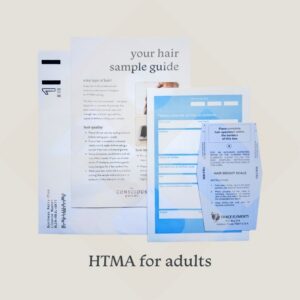
Hair Tissue Mineral Analysis (HTMA)
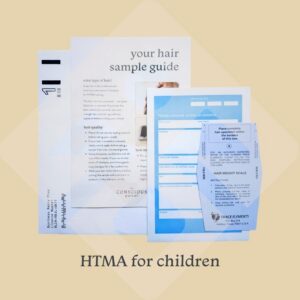
Hair Tissue Mineral Analysis for Children (HTMA)
£90.00
Choose options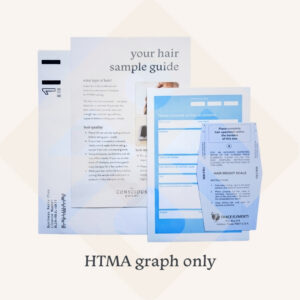
Hair Tissue Mineral Analysis (HTMA)
Hair Tissue Mineral Analysis (HTMA) – GRAPH ONLY
£75.00
Choose options


From the journal


Not sure where to begin?
For some people, the test itself is the right starting point.
Find your starting point